
Yanagiba vs Sujihiki: Which Slicer Do You Need?
Posted by Japanese Chef Knife on 10th Oct 2026
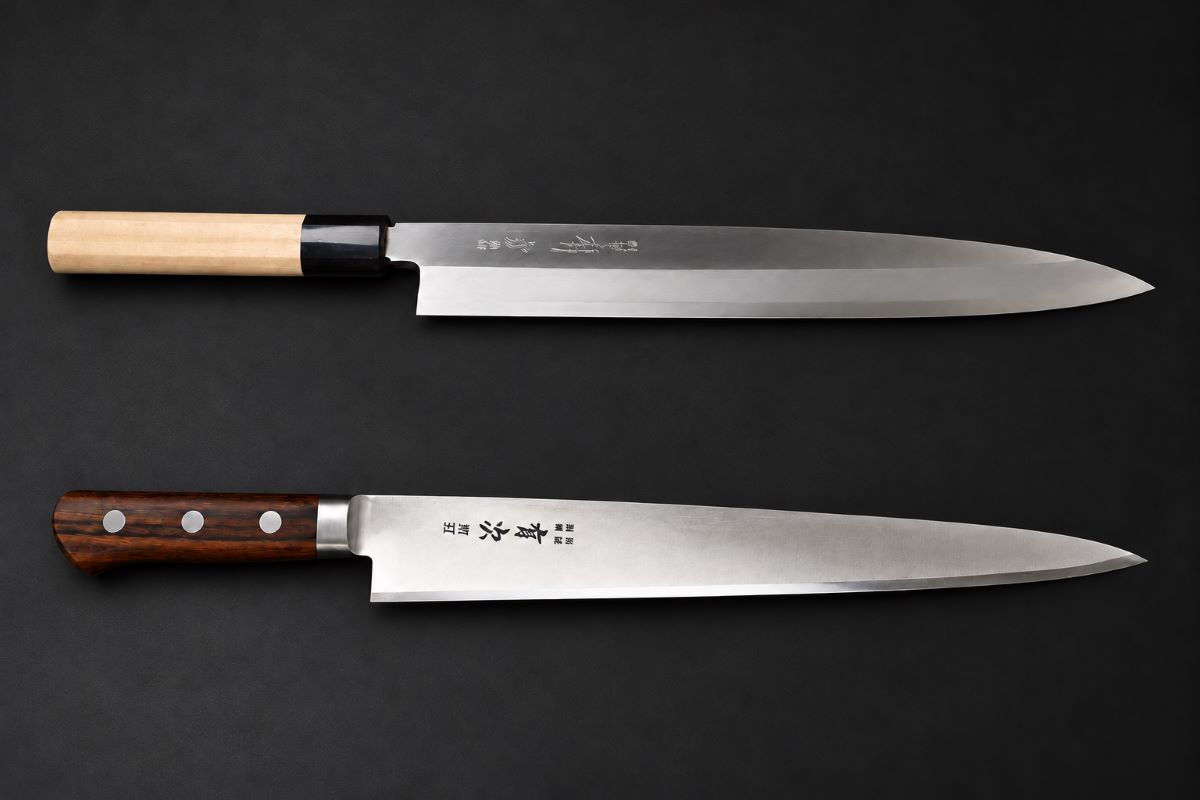
Walk into any serious Japanese kitchen and you will see long, slender knives lined up on the rack.
Two of the most common are the yanagiba and the sujihiki.
They look similar at a glance, both are long and thin, and both are made for slicing. But they are designed for different work, and choosing the wrong one can mean fighting your knife every day.
This page explains how each one works, where each excels, and how to decide which slicer you need first.
✅ The Short Answer
- Choose a yanagiba if you slice raw fish for sashimi or sushi and want the cleanest possible cut.
- Choose a sujihiki if you mostly slice cooked or raw meat, roasts, terrines, or trim and portion
proteins. - Own both if your menu covers both worlds. They complement each other rather than compete.
✅ What Is a Yanagiba?
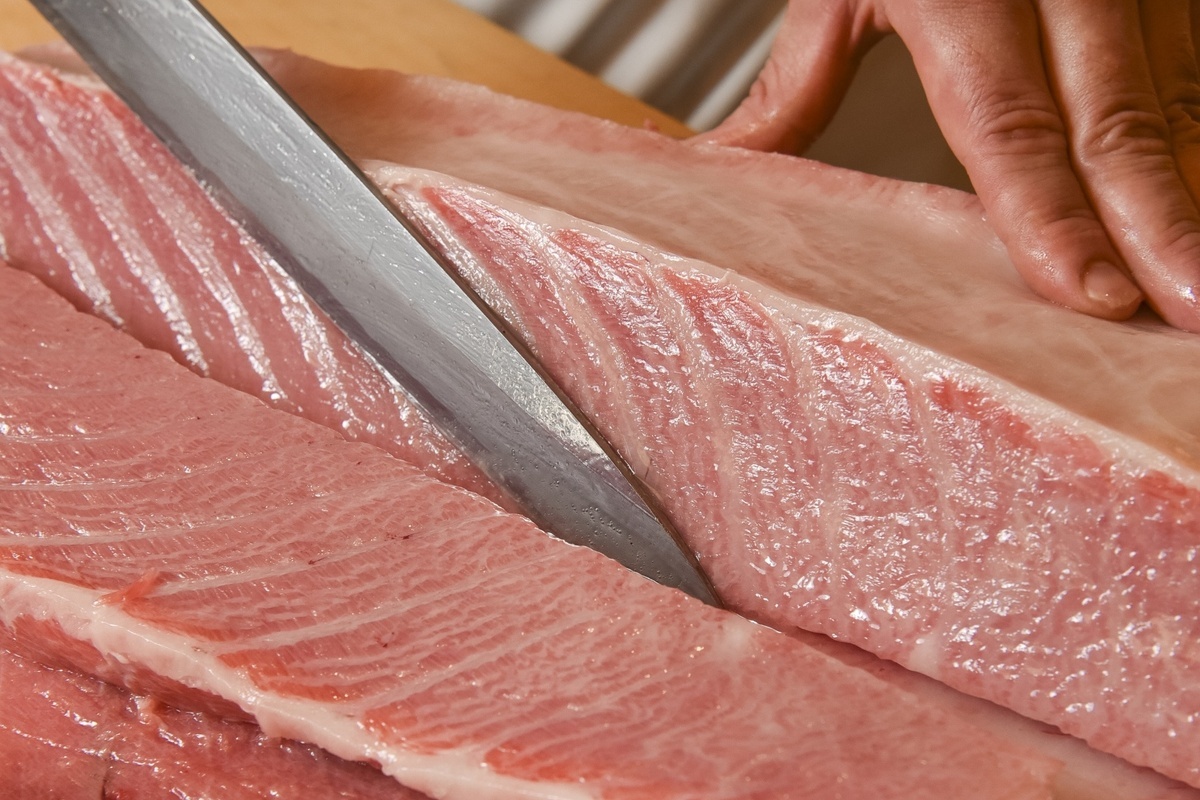
The yanagiba is the classic Japanese sashimi knife.
It is a single-bevel knife: only one side of the blade is ground to form the edge, while the back is nearly flat.
A long, narrow blade lets you slice in one smooth pulling stroke, from heel to tip, without sawing.
Why that matters for fish: a single draw cut through the flesh leaves a glossy, clean surface and avoids tearing the delicate fibers.
The result looks better on the plate and, many chefs would argue, tastes better too.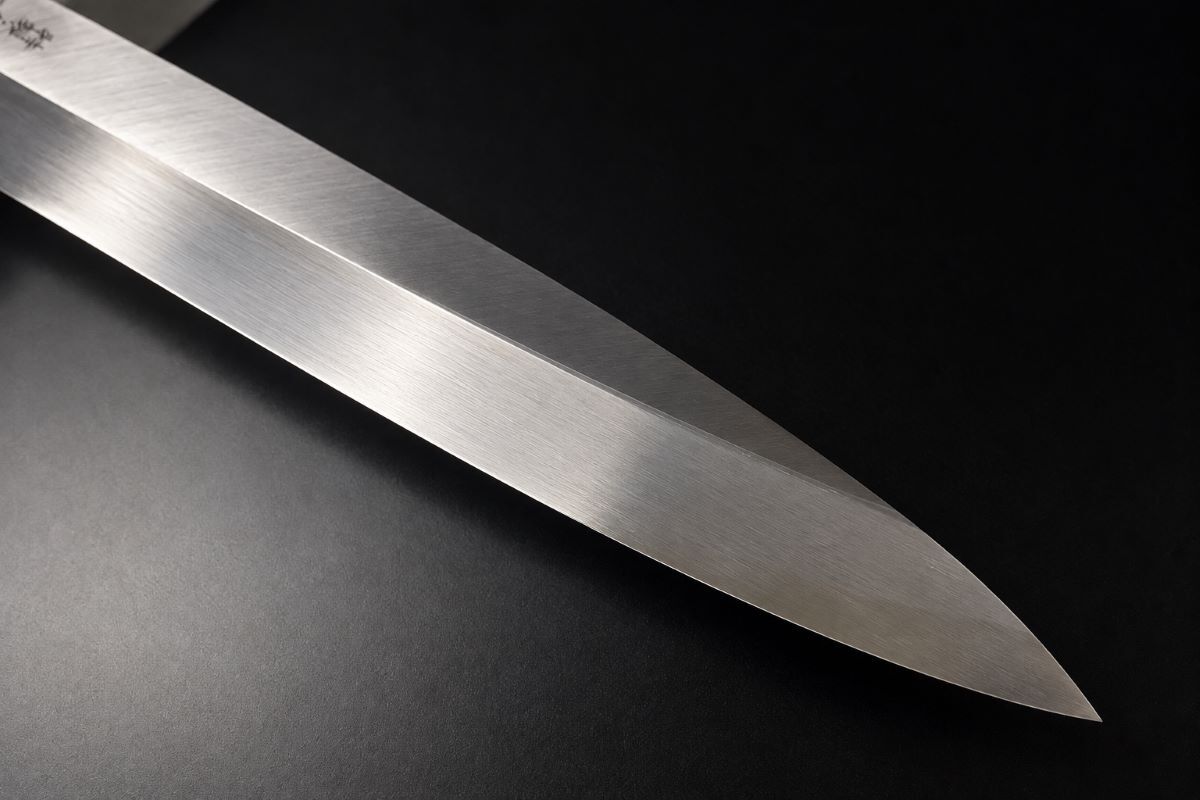
✓ Typical strengths
- Sashimi, sushi toppings (neta), and carpaccio-style slicing
- Very thin, precise slices with minimal damage to the fish
- Long blades (commonly 240 mm to 300 mm and beyond) that allow one-stroke cuts
✓ Things to know
- A single-bevel edge is made for one-direction slicing and is not a general-purpose knife.
- It is not ideal for thick cuts of cooked meat, hard foods, or anything involving bones.
- Sharpening takes more skill. You maintain the beveled face and keep the flat back true on a whetstone.
- Single-bevel knives are made for right-handed or left-handed users, so check this when you order.
✅ What Is a Sujihiki?
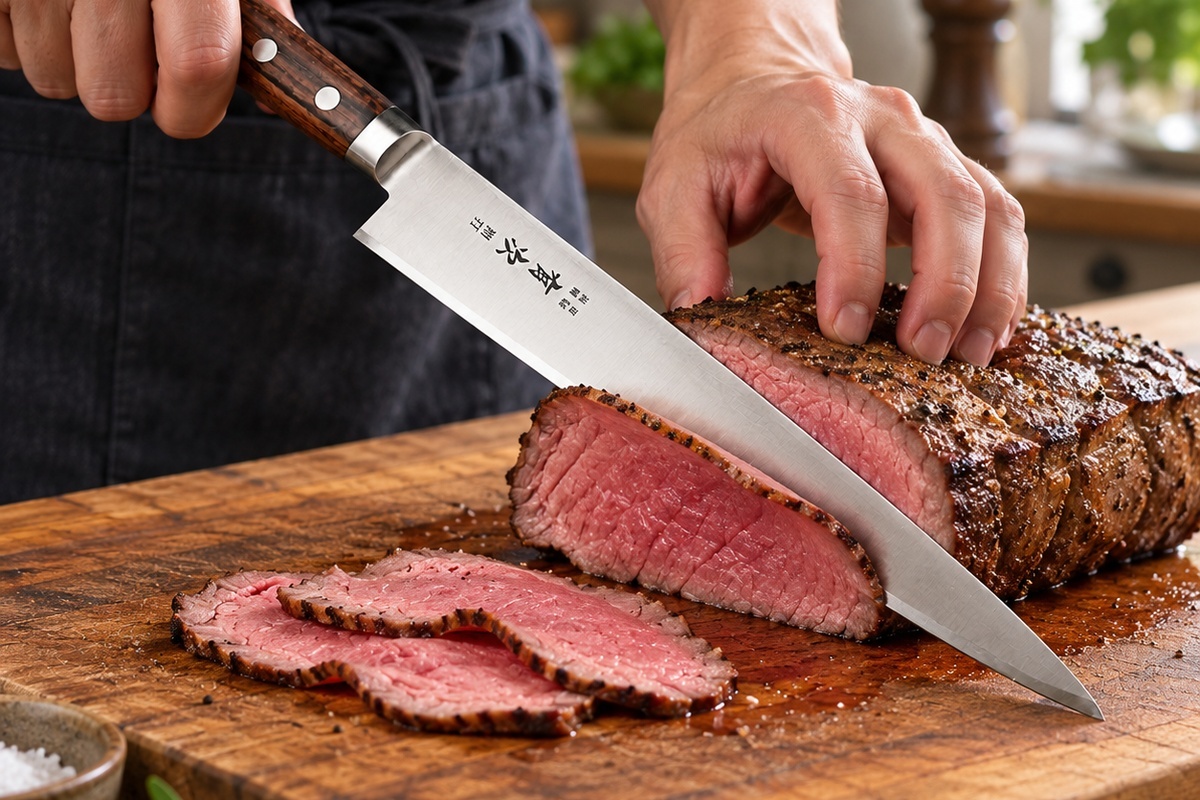
The sujihiki is a double-bevel slicer, ground on both sides like a Western chef's knife.
The name refers to removing sinew, and trimming is part of the job, but its everyday role is slicing meat cleanly and evenly.
Because it has a symmetrical edge, it cuts straight and handles more kinds of food than a yanagiba.
Chefs trained in Western or fusion kitchens often find it feels natural from the first use.
✓ Typical strengths
- Slicing roasts, cooked meats, ham, and terrines into even portions
- Trimming silver skin and fat from beef, pork, and poultry
- Portioning large cuts and slicing boneless fish fillets
- Clean, straight cuts without the edge pulling to one side
✓ Things to know
- It can slice raw fish, and many cooks use it that way. For sashimi presentation at the highest level, the yanagiba still gives a more refined cut.
- Sharpening is simpler, since the geometry is familiar and the same for left- and right-handed users.
- It is a good fit if you want one long slicer that handles several jobs.
✅ Yanagiba vs Sujihiki: Side by Side
| Yanagiba | Sujihiki | |
|---|---|---|
| Bevel | Single (one side ground) | Double (both sides ground) |
| Best for | Sashimi, sushi, raw fish | Meat, roasts, terrines, trimming |
| Cutting style | One long pull stroke | Pull or push slicing |
| Left/right handed | Made for a specific hand | Works for both hands |
| Sharpening | Needs more skill and a flat back | Easier, more familiar |
| Versatility | Specialized | More versatile |
✅ How to Choose
If you work mainly with fish, especially sashimi or sushi, start with a yanagiba. Nothing else gives the same clean, precise slice.
If you work mainly with meat, or you want a long knife that handles different tasks, start with a sujihiki.
If you are still learning to sharpen, a sujihiki is more forgiving. A yanagiba rewards practice, but it asks for it.
If your menu includes both, plan on both. Many chefs buy one first, then add the other once they feel the difference in daily use.
✅ Choosing a Length
Longer blades make longer, smoother strokes, but they need more space and more control.
- 240 mm: a good starting size for most cooks and smaller work stations.
- 270 mm: a common professional choice with a good balance of reach and control.
- 300 mm: for experienced chefs, large cuts, and big fish.
If you are unsure, 240 mm or 270 mm covers most kitchens well.
✅ Steel: Carbon or Alloy
Traditional yanagiba are often made from carbon steels such as White Steel or Blue Steel, which take an extremely sharp edge but need care to avoid rust.
Sujihiki are available in carbon and more rust-resistant alloy steels. If you want sharpness above all and are happy to wipe and dry your knife after every use, carbon steel is a rewarding choice.
If you want low maintenance in a busy kitchen, an alloy steel is easier to live with.
✅ Our Picks from Aritsugu
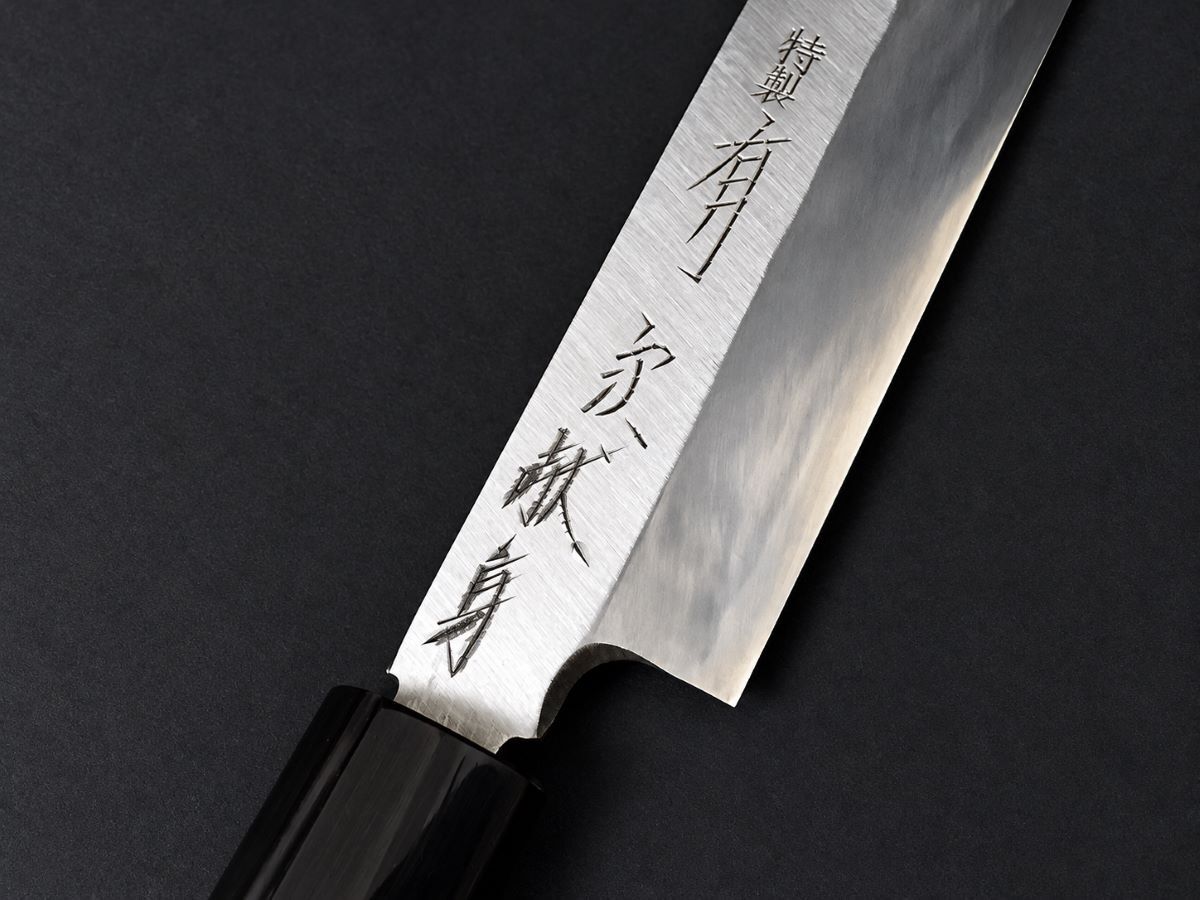
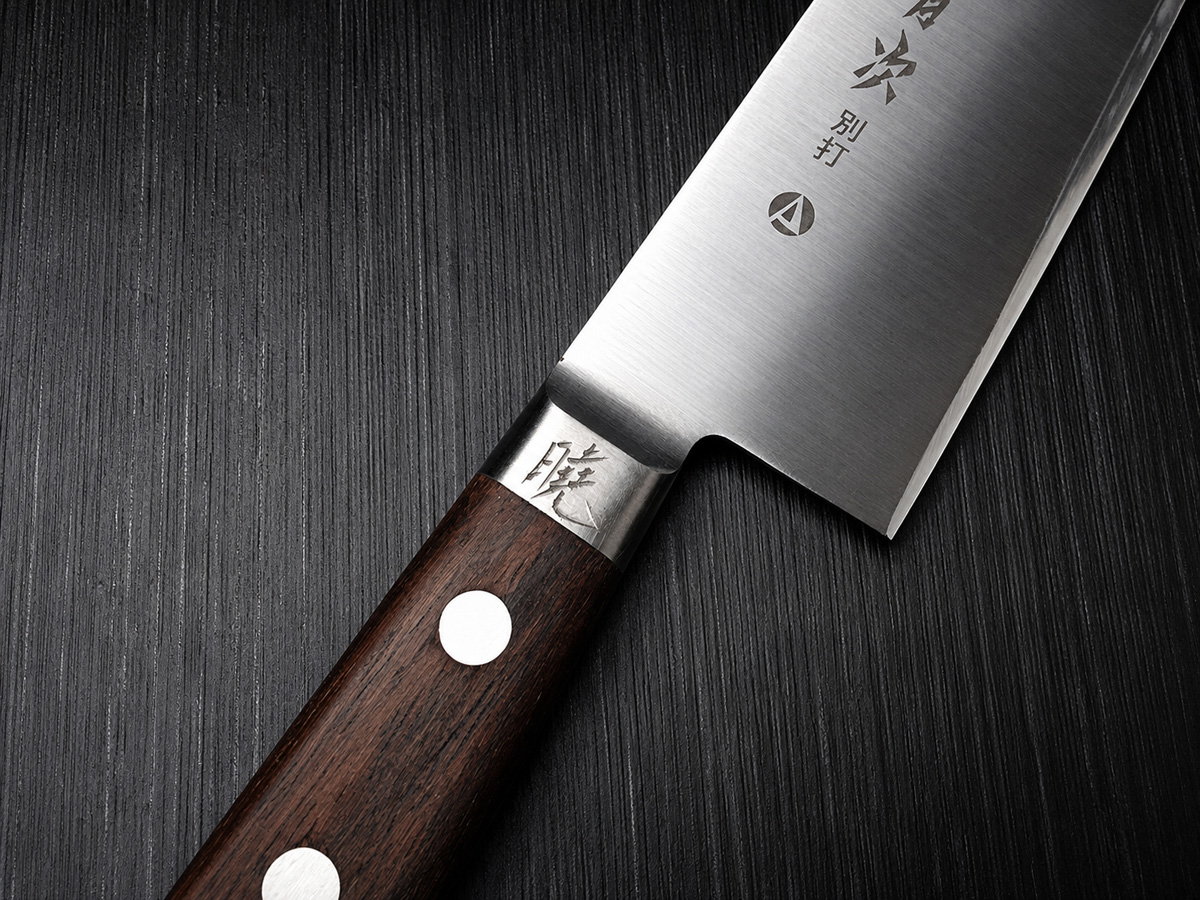
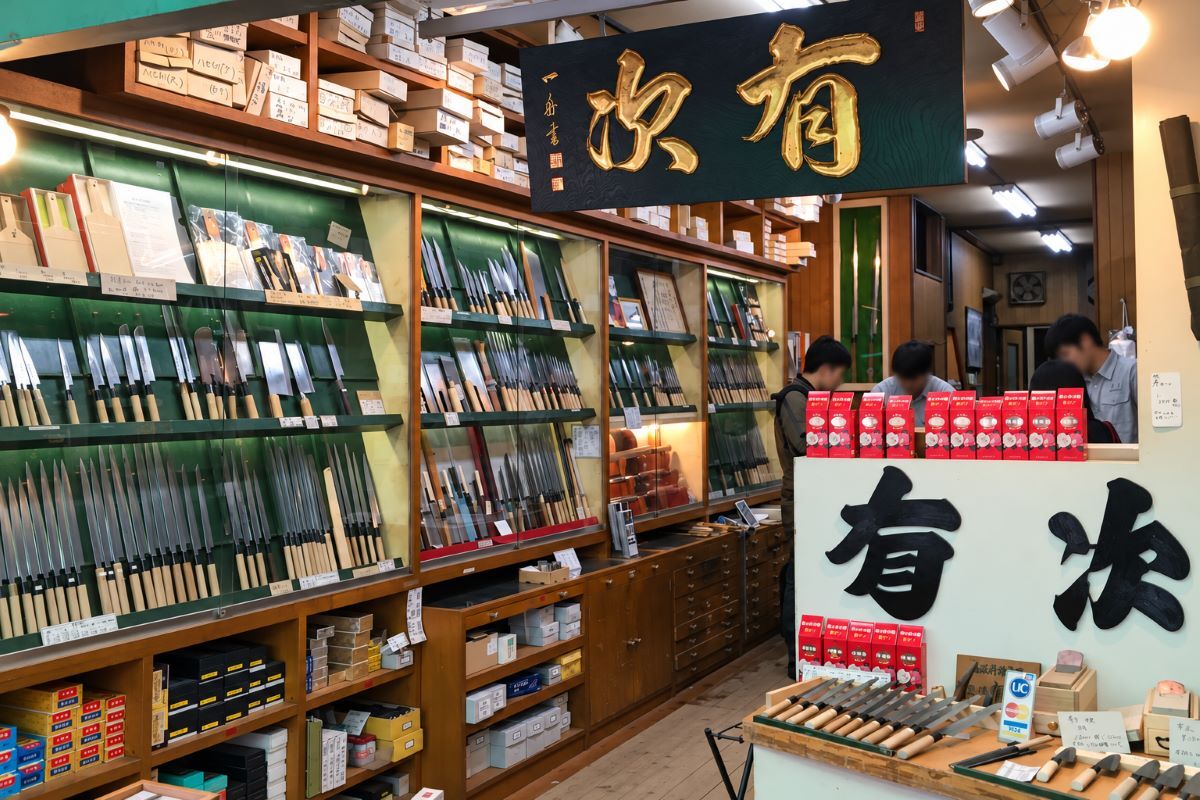
Aritsugu has been making knives in Tokyo since 1560, and every knife is available with free name engraving.
- For sashimi and sushi: browse our yanagiba collection, including the Betsuuchi Blue Steel and Special White Steel models.
- For meat and general slicing: browse our sujihiki collection, available in alloy steel in 240 mm and 270 mm.
✅ Final Thoughts
The yanagiba and sujihiki are not rivals.
One is a specialist for fish, the other a versatile slicer for meat.
Pick the one that matches what you cut most, learn it well, and add the second when your work calls for it.
Have questions about which knife fits your kitchen?
Contact us and we will help you choose.